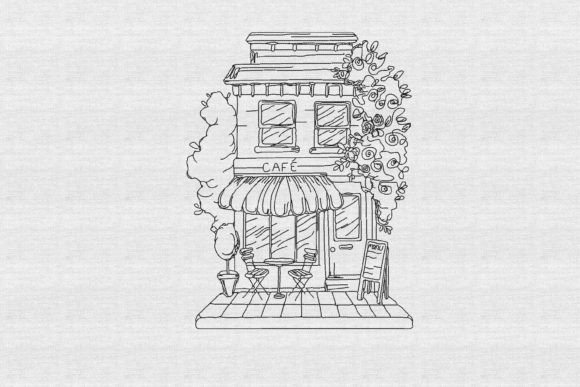
Cafe Building Sketch Embroidery Design Review
As an experienced embroidery designer who spends weekends hunched over a table at craft fairs and handmade markets, I have learned one hard truth: customers do not buy files. They buy the finished product sitting in front of them. When I evaluate a new machine embroidery design, I am not just looking at the stitch quality; I am calculating its potential to stop a passerby, spark a conversation, and ultimately result in a sale. Today, I am reviewing the Cafe Building Sketch Embroidery Design, a piece that promises to bring a touch of artistic flair to your handmade product lineup.
The First Impression: Art Meets Commerce
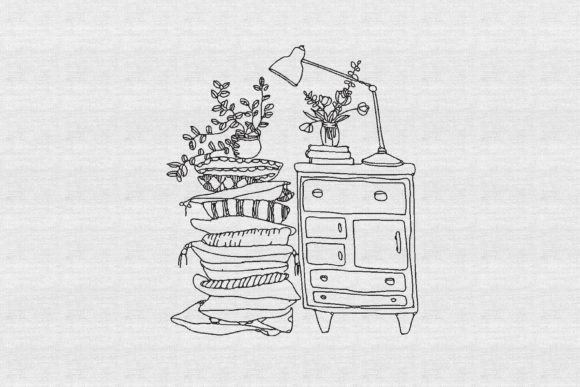
The title alone suggests a certain aesthetic. A "sketch" implies line work, artistic intent, and a softer, more organic feel than a rigid geometric pattern or a heavy solid-fill icon. Based on the description—inviting us to dive into a world where creativity meets craftsmanship—this design likely leans towards rustic, modern farmhouse, or boutique chic vibes. It feels less like a logo and more like a piece of art, which is exactly what sells well in the current market for Etsy sellers and boutique makers.
In a sea of generic coffee cup icons and bold typography, a sketch-style building stands out because it tells a story. It evokes the feeling of a cozy corner shop, a morning latte, or a weekend getaway. For a craft fair product, this emotional connection is vital. It transforms a simple utility item into a lifestyle statement.
Product Application: Where This Design Shines
To determine the best use for the Cafe Building Sketch Embroidery Design, we must look at how it interacts with different fabrics and items. Here is my professional breakdown of where this embroidery file will perform best on your booth table.
Tote Bags and Market Bags
A canvas tote bag is the bread and butter of any handmade market. However, many designs get lost on the heavy texture of canvas. Because this design is described as having intricate details, it needs enough surface area to breathe. Placing this as a large focal point on the front of a natural cotton or linen tote bag allows the sketch lines to pop. It works beautifully as a tote bag design for book lovers, artists, or anyone who appreciates a café culture aesthetic. The contrast between the rough fabric texture and the delicate sketch lines creates a premium look that justifies a higher price point.
Kitchen Towels and Aprons
This is perhaps the strongest category for this specific design. Tea towel embroidery is a staple gift item. A sketch of a charming café building fits perfectly into a kitchen that values warmth and home. It adds character without being overly masculine or childish. Similarly, for apron embroidery, placing this near the pocket or centered on the bib can elevate a basic apron into a specialty item. Just be mindful of the fabric texture; if you are using waffle-weave towels, ensure the design is not so small that the stitches disappear into the weave.
Patches and Caps
For the embroidered patch market, this design translates well if digitized correctly. A circular or shield-shaped patch featuring the café sketch would look fantastic on denim jackets, beanies, or backpacks. On caps, however, caution is needed. Curved surfaces can distort fine sketch lines. If you plan to sell these as small shop product accessories, test the fit carefully. A smaller, simplified version might work better on a cap brim, while the full detail belongs on a flat surface like a pouch.
Fabric Pouches and Pillow Covers
Small zippered pouches made from quilting cotton are excellent for holding makeup, pens, or charging cables. This design adds a whimsical touch that appeals to younger demographics. For pillow covers, the sketch style offers a sophisticated, gallery-wall vibe. It serves as a perfect accent piece for a living room that aims for a cozy, inviting atmosphere.
Production Practicalities and Designer Notes
Before you rush to produce hundreds of units for your next market, there are critical technical considerations. As a designer, I always advise checking the following before committing to mass production.
- Stitch Density and Detail: Sketch designs often rely on thin lines and open spaces. Ensure the stitch density is appropriate. If the lines are too thin, they may break during washing or look faint on dark fabrics. Conversely, if the fill areas are too dense, the fabric may pucker, especially on lightweight tea towels.
- Hoop Size Constraints: Verify the recommended hoop size. If the design is large, it may require a 5x7 or larger hoop, which limits the types of products you can embroider (e.g., you cannot fit a large design on a standard baseball cap without multiple hooping attempts). Confirm the dimensions match your intended finished product.
- Thread Contrast: This is non-negotiable. A sketch design loses all definition on low-contrast fabrics. Do not attempt to embroider a light beige sketch on a cream-colored towel. Use high-contrast thread colors, such as black, navy, or deep burgundy on white or natural linen, to make the intricate details visible.
- Stabilizer Selection: The type of stabilizer used can make or break the final look. For woven cottons like tote bags, a cut-away stabilizer provides long-term stability. For knits or stretchy fabrics, a tear-away or wash-away might be necessary depending on the design's tension requirements. Always test on scrap fabric first.
Selling Strategy and Visual Appeal
When displaying your commercial embroidery goods, visual hierarchy matters. The Cafe Building Sketch Embroidery Design has a strong narrative quality. Use this to your advantage in your booth display and online listings.
Create a "lifestyle" setup. Instead of just hanging a tote bag, place it next to a real coffee cup and a small plant. Show the apron on a mannequin with a flour sack nearby. This helps the customer visualize the item in their own life. For your digital assets, invest time in creating a printable mockup that shows the design in context. A flat lay photo is good, but a lifestyle image sells the dream.
Furthermore, consider batch production. Because this design is thematic (café/coffee culture), it appeals to a broad audience. It is not niche enough to limit sales, yet unique enough to stand out from generic clip-art styles. It is versatile enough to be repeated across multiple product types—totes, towels, and patches—creating a cohesive brand identity for your shop.
Final Verdict
The Cafe Building Sketch Embroidery Design is a strong contender for any serious digital embroidery file collection aimed at the handmade market. Its artistic nature allows it to transcend typical novelty items, positioning itself as a decorative, premium accessory. By paying attention to fabric choice, thread contrast, and proper stabilization, you can turn this design into a best-selling item at your next craft fair or Etsy store.
Remember to always review the specific technical specifications provided by the designer, including file formats and commercial licensing terms, before producing goods for sale. Test thoroughly, photograph beautifully, and trust that the charm of a handcrafted sketch will resonate with buyers looking for authenticity in their everyday objects.