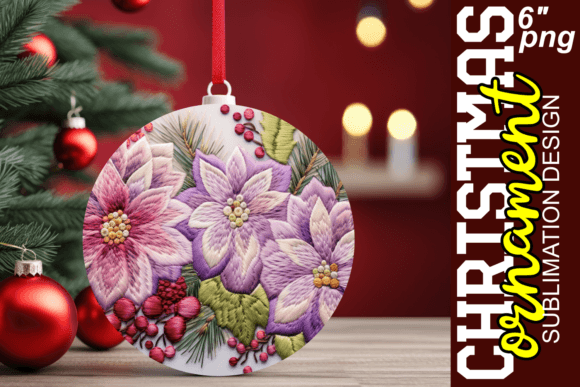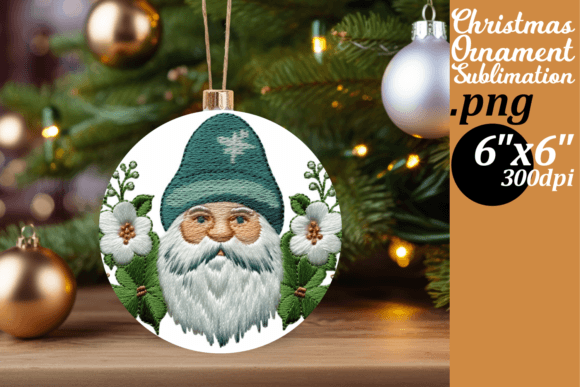
Holiday Circle Embroidery Art Review
As an embroidery designer who spends half the year planning for the holiday craft fair season, I look at every new digital asset with a mix of excitement and skepticism. The market is saturated, and customers are increasingly discerning about what they buy. When I first pulled up Holiday Circle Embroidery Art, my immediate reaction was one of curiosity regarding its versatility. While the product description contains a confusing note about sublimation—which seems entirely misplaced for a machine embroidery context—I am reviewing this specifically as a machine embroidery design intended for textile-based crafts. If you are looking to create tangible, high-quality goods for your booth, understanding how this file translates from screen to fabric is critical.
First Impressions and Visual Appeal
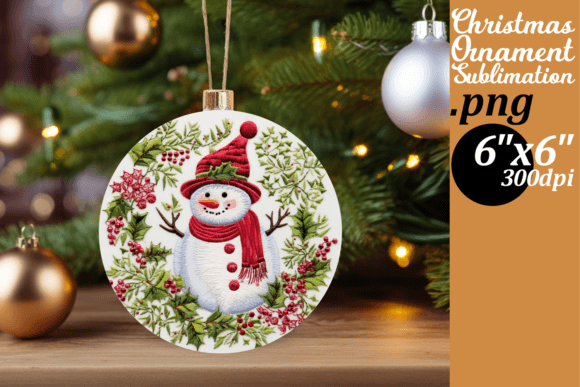
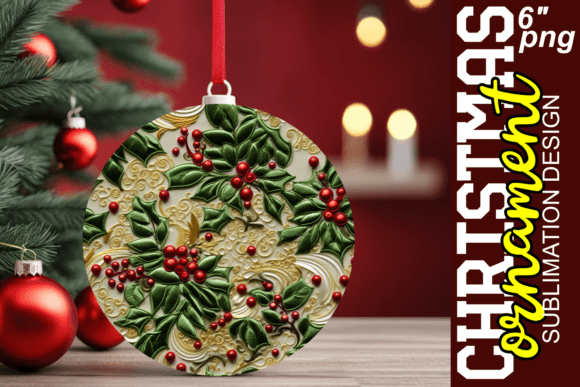
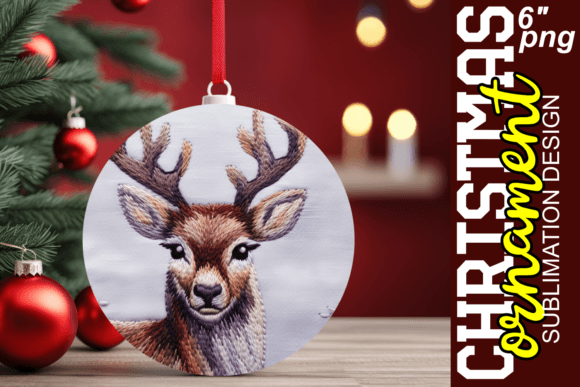
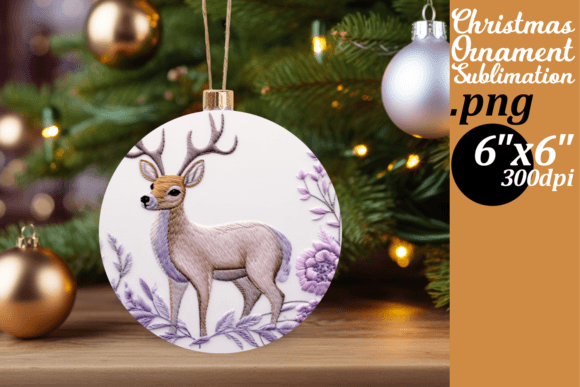
The title suggests a geometric or symmetrical motif, likely centered around circular elements that evoke wreaths, ornaments, or mandalas. In the world of handmade products, symmetry reads as premium and intentional. From a booth display perspective, Holiday Circle Embroidery Art has the potential to be a strong focal point. Unlike chaotic, busy patterns that can look cluttered on small items, a well-executed circle design draws the eye inward, creating a sense of completeness and polish.
For the modern crafter, the aesthetic likely leans toward either minimalist farmhouse or elegant festive styles. This is a safe yet sophisticated direction. It avoids the overly childish "cute" factor while still feeling seasonal. When customers walk past your table, they stop for designs that feel cohesive. A clean circular motif allows the texture of the thread and the quality of the stitching to shine, which is exactly what separates a professional handmade product from a mass-produced souvenir.
Product Versatility: Where Does It Shine?
One of the biggest challenges for an Etsy seller or craft fair vendor is finding a single design that works across multiple product categories without looking out of place. Holiday Circle Embroidery Art appears to have broad application potential. Here is how I envision it performing on specific items:
- Tote Bags: A tote bag is often the bread and butter of the holiday market. Placing this design in the center of a canvas or cotton canvas tote creates a classic, giftable item. It photographs beautifully for online listings and feels substantial in the hand.
- Apron Embroidery: For kitchen-focused gifts, placing the circle motif on the bib or lower pocket of an apron adds a touch of elegance. It elevates a utilitarian item into a decorative piece, increasing its perceived value.
- Tea Towel Embroidery: Linen or heavy cotton tea towels are excellent canvases. The circular design fits naturally within the rectangular frame of a towel, allowing for balanced negative space. This is a low-cost entry point for buyers, making it a great impulse buy.
- Embroidered Patch: Converting this design into a patch (with a satin border) allows for immense flexibility. You can attach these patches to denim jackets, beanies, or other accessories, expanding your reach beyond just home goods.
- Caps and Headwear: A smaller version of the circle design works exceptionally well on the front panel of a structured cap. However, curvature requires careful testing to ensure the design does not distort.
- Pillow Covers: For home decor enthusiasts, a hoop-style circle design on a pillow cover offers a cozy, inviting aesthetic that pairs well with winter textiles like wool or velvet.
Production Practicality and Quality Control
While the visual concept is promising, the success of any craft fair product depends on execution. As a designer, I must advise caution regarding the technical aspects of this file. The provided description mentions sublimation, which is a heat-transfer process for polyester, whereas embroidery involves needle and thread. This discrepancy suggests you must verify the file format and intended use carefully before purchasing or downloading.
When preparing to digitize or use this embroidery file, consider the following production points:
- Stitch Density: Check if the design has dense stitch areas. Dense designs take longer to run, increasing your labor cost per unit. For a profitable business model, you want a design that looks full but stitches efficiently.
- Small Details: If the circle design includes tiny inner details or fine text, test it at the size you intend to produce. Tiny details often get lost in the fabric texture or merge together during the embroidery process, resulting in a muddy appearance.
- Fabric Texture: Consider how the design interacts with different fabrics. On a rough burlap tote, fine lines may disappear. On a smooth linen tea towel, even subtle shading will pop. Always match the thread colors to the fabric contrast.
- Hoop Size Constraints: Ensure the design fits comfortably within your machine’s maximum hoop size while leaving enough margin for hooping stability. A design that is too large may require re-hooping, which increases the risk of misalignment.
Marketing and Display Strategy
Visual appeal drives sales. When displaying Holiday Circle Embroidery Art at a craft fair, think about grouping. Create a vignette that shows the design on a tote, an apron, and a pillow all together. This helps the customer visualize the design in their own home. It also reinforces brand consistency, showing that your shop offers a coordinated collection rather than random items.
For your online presence, invest time in creating a printable mockup or a high-resolution photo of the actual embroidered piece. The lighting should highlight the sheen of the threads and the depth of the stitches. Avoid flat, dim lighting, which can make even the best digital embroidery file look dull. Captions should emphasize the handmade quality and the durability of the embroidery compared to printed alternatives.
Essential Pre-Production Checklist
Before you commit to batch production, follow these steps to protect your reputation and bottom line:
- Test on Scrap Fabric: Never run a new design directly onto your final product. Use scrap pieces of the exact fabric you plan to sell to check for puckering, thread breaks, or color bleeding.
- Check Stabilizer Choice: Different fabrics require different stabilizers (cut-away vs. tear-away). Using the wrong stabilizer can ruin the drape of the fabric or cause the design to shift.
- Verify Commercial Licensing: Since the product description is ambiguous, you must explicitly confirm that you have the right to sell finished goods made from this design. Do not assume; ask the creator or check the license terms clearly stated in the purchase agreement.
- Create Real Mockups: Digital previews can be misleading. A real-world photo of the finished product builds trust with buyers and reduces return rates caused by mismatched expectations.
Final Verdict
Holiday Circle Embroidery Art has the makings of a successful small shop product. Its symmetrical nature lends itself to a wide range of applications, from functional kitchen items to stylish fashion accessories. However, the confusion surrounding its technical specifications—specifically the mention of sublimation—requires due diligence. If this is indeed a machine embroidery design, it offers a versatile, premium-looking option for sellers looking to stand out in a crowded market. By testing thoroughly, choosing the right fabrics, and presenting the work professionally, you can turn this design asset into a profitable addition to your holiday inventory.
Remember, in the world of handmade crafts, the story behind the product matters as much as the product itself. Showcasing the care and precision that goes into each embroidered piece will resonate with customers who value authenticity and quality.