Indian Embroidery Fabric Background Review for Real Projects
If you're an embroidery designer or a creative entrepreneur looking to add cultural flair and intricate detail to your handmade products, the Indian Embroidery Fabric Background from Creative Fabrica is worth considering. As someone who regularly evaluates digital design assets for both personal and commercial use, I found this background to be visually rich, versatile, and fitting for a wide range of embroidery applications — provided you approach it with a clear understanding of its strengths and limitations.
First Impressions: Visual Mood and Detail Level
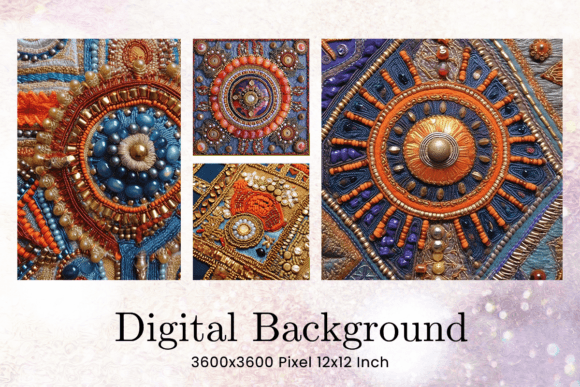
The Indian Embroidery Fabric Background immediately caught my attention with its ornate patterns and warm color palette. It evokes the traditional aesthetics of Indian textiles, featuring motifs like floral vines, geometric shapes, and delicate latticework. The high-resolution JPG format (300 DPI) ensures that even when printed or used in digital mockups, the design retains clarity and crispness.
As a background, it’s not meant to be the focal point but rather to complement other elements. Its decorative appeal is subtle yet impactful, making it ideal for adding texture or visual depth without overwhelming the main design. The stitching personality feels handcrafted in style, even though it's a digital file — which is a big plus for anyone aiming to create unique, artisanal looks in their machine embroidery work.
Real Project Compatibility and Use Cases
I considered using this background on several real-life customer orders, including tote bags, sweatshirts, aprons, baby blankets, and seasonal handmade gifts. In each case, the design added a sense of authenticity and luxury, especially when paired with more minimalist text or icons.
- Tote Bag Design: The background works well as a border or panel, enhancing the tote bag's aesthetic while maintaining functionality.
- Sweatshirt Embroidery: When scaled appropriately, it can wrap around the chest area or serve as a base for custom apparel branding.
- Embroidered Patch: Though the design is detailed, it needs careful scaling to fit within standard patch sizes without losing clarity.
- Baby Blanket and Nursery Decor: The soft, traditional feel of the pattern makes it a great choice for creating cozy, culturally inspired items.
- Commercial Embroidery Products: This design has the potential to elevate mass-produced items with a touch of elegance, particularly for boutique merchandise or Etsy listings.
It’s important to note that since this is a background, it should be layered thoughtfully. For instance, if you’re working on a kitchen towel or pillow cover, consider how it interacts with your primary design — too much overlap could confuse the visual message.
Practical Considerations for Machine Embroidery
While the Indian Embroidery Fabric Background is a digital file intended for sublimation or graphic design, adapting it for actual embroidery requires some effort. Here are key points I kept in mind during testing:
- Test on Scrap Fabric: Before applying it to a finished product, always test the design on fabric similar to what you’ll use for production. This helps identify any issues with scale or stitch coverage.
- Check Thread Color Contrast: Since the file is in JPG format, you’ll need to manually select thread colors. Darker backgrounds may require lighter thread for visibility, and vice versa.
- Review Stitch Density: Dense areas might lead to puckering or uneven results, especially on stretchy or thin fabrics. Adjusting stitch density is essential for a clean finish.
- Confirm Hoop Size: If you plan to digitize the background into an embroidery file, make sure the hoop size fits your project. Smaller hoops will require cropping or repositioning the design carefully.
- Use Proper Stabilizer: Given the fine details, a good stabilizer is necessary to prevent distortion, especially on curved surfaces like caps or soft goods such as baby blankets.
- Inspect Small Details After Stitching: Tiny elements in the pattern, like delicate florals or borders, may get lost in translation unless you pay close attention to their placement and thread weight.
- Compare Light and Dark Fabric Mockups: Always visualize how the background appears on different fabric shades. A bright white towel may look very different than a deep indigo sweatshirt.
- Confirm File Details and Licensing: Ensure you understand the usage rights before selling any finished product incorporating the design. Creative Fabrica’s licensing terms apply here, so review them thoroughly.
Design Assets That Work Well With This Background
When paired with other machine embroidery designs, the Indian Embroidery Fabric Background shines. For example, using it beneath a central icon or name adds dimension and interest. It also pairs nicely with applique designs, especially those in contrasting colors or textures.
In projects where the background serves as a frame or border, the design allows room for creativity. You can incorporate satiny outlines or running stitch accents to enhance the overall effect. However, due to its complexity, avoid overlapping it with densely stitched foreground elements unless you're prepared to adjust stitch types accordingly.
Product Value and Buyer Appeal
From a business perspective, this design can significantly boost the perceived value of your handmade products. Whether you're crafting personalized gifts or producing commercial embroidery for resale, the Indian Embroidery Fabric Background brings a level of sophistication that sets your work apart.
Buyers tend to trust products that appear thoughtful and well-crafted. Incorporating this background into your handmade product line-up can help build that trust. It also supports brand consistency if you're aiming for a bohemian or global-inspired theme.
Photography and Presentation Tips
One thing I noticed early on was how this design enhances product photography. Its intricate nature makes for excellent visual storytelling in printable mockups and online listings. For Etsy sellers or craft fair vendors, showcasing the design on a variety of surfaces — like a sweatshirt or cap — can increase buyer engagement.
For product photography, I recommend using lighting that highlights the texture of the stitches. Since the design is flat in JPG form, layering it over mockups that simulate 3D effects can give potential buyers a clearer idea of how it will look in person.
Challenges and Limitations
While the Indian Embroidry Fabric Background is beautiful, it does come with a few challenges:
- Small Hoop Sizes: The design includes many tiny details, which may not translate well to smaller hoops unless you focus only on specific sections.
- Stretchy Fabrics: Without proper stabilization, the background can distort, especially in curved areas or on knits.
- Dense Stitch Areas: Some parts of the design may require reducing stitch density to avoid bulkiness or puckering.
- Dark Fabric Contrast: On darker materials, the design may need bold thread choices or additional stitch layers for visibility.
- Layered Details: Overlapping elements can complicate the embroidery process, requiring manual adjustments to ensure no part gets buried under others.
Despite these considerations, the design remains highly usable when adapted properly. Just take the time to tailor it to your specific project and fabric type.
Giftability and Seasonal Use
This background is particularly effective in personalized gift scenarios. Think of it as the perfect backdrop for names, dates, or holiday symbols on items like seasonal handmade gifts, nursery decor, or embroidered patches. Its cultural warmth gives it a timeless quality that transcends seasons.
During the holidays, I’ve seen similar backgrounds resonate strongly with customers seeking unique, meaningful décor. The Indian Embroidery Fabric Background could easily become a signature element in your gift line-up, especially when combined with gold or silver threads for a festive touch.
Final Thoughts for Creative Fabrica Users
Overall, the Indian Embroidery Fabric Background is a strong addition to any embroidery designer’s collection. It offers a blend of tradition and modern usability, suitable for both small-scale handmade shop owners and larger digital product sellers.
However, it’s not a one-size-fits-all solution. Its effectiveness depends on how well you adapt it to your project’s needs — from choosing the right thread colors to adjusting stitch density and selecting appropriate hoop sizes. Always remember to test the design first and confirm all details on the Creative Fabrica product page before moving forward with sales.
If you're looking for a graphics-based background that adds character and cultural richness to your embroidered creations, the Indian Embroidery Fabric Background is definitely worth exploring. Just bring your best planning and customization skills to the table, and you’ll unlock its full potential across a range of real project uses.