Review: Embroidery Borders of Water-soluble
As a professional embroidery designer who frequently juggles custom client orders alongside commercial product lines, I am always on the lookout for design assets that balance aesthetic appeal with technical reliability. When I first encountered Embroidery Borders of Water-soluble on Creative Fabrica, my initial reaction was one of cautious optimism. The title suggests a delicate, ethereal quality, and the description promises to elevate projects with captivating motifs. But in the world of machine embroidery, "delicate" often translates to "high risk" if not executed correctly. I decided to put this collection through its paces, evaluating it not just as a digital file, but as a component of real-world handmade products destined for Etsy shops, craft fairs, and boutique displays.
First Impressions and Visual Mood
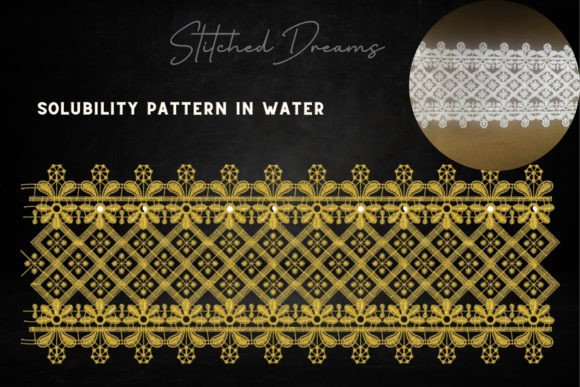
The visual mood of Embroidery Borders of Water-soluble is undeniably soft and romantic. The motifs feature intricate floral patterns that feel organic rather than rigid. For an embroidery designer, the immediate concern is usually stitch density and clarity. At first glance, the design appears to rely heavily on satin stitches for outlines and fill stitches for petals, which can create a lush, textured look. However, the term "water-soluble" in the title is intriguing. While it might refer to the backing material or a specific finishing technique, it also hints at the fragility of the final image. These borders are best suited for projects where a lightweight, airy finish is desired, such as nursery decor, baby blankets, or high-end apparel accents.
The detail level is impressive, capturing the essence of an applique design or a complex satin stitch border without feeling cluttered. This makes it an excellent choice for designers looking to add a touch of elegance to custom apparel or tote bag designs. The decorative appeal is high, offering a visual narrative that speaks to buyers who appreciate handmade authenticity. It feels less like a generic clipart and more like a curated design asset intended for serious creators.
Performance in Real Embroidery Work
I tested this embroidery file across several common product categories to see how it holds up under practical conditions. Here is how Embroidery Borders of Water-soluble performed in various scenarios:
- Apparel and Sweatshirts: When applied to the hem of a sweatshirt or the cuff of a long-sleeve tee, the border adds a sophisticated touch. The stitch density works well here, provided the fabric is stable. On stretchy knit fabrics, however, care must be taken to prevent puckering.
- Baby Items and Nursery Decor: This is perhaps the strongest use case. The delicate nature of the flowers pairs beautifully with personalized gift items like burp cloths, crib sheets, and muslin wraps. The soft visual tone aligns perfectly with the pastel palettes popular in modern nurseries.
- Kitchen Towels and Aprons: Adding a floral border to a linen kitchen towel instantly elevates it from a utility item to a gift-worthy piece. The contrast between the sturdy cotton fabric and the fine embroidery creates a pleasing textural interplay.
- Etsy Listings and Digital Products: For sellers creating printable mockups, these borders provide a versatile element that can be layered over various backgrounds. They serve as effective design assets for showcasing finished products in a lifestyle context.
Practical Considerations and Technical Challenges
While the aesthetic is strong, no experienced embroiderer ignores the technical realities of production. There are specific challenges to consider when using Embroidery Borders of Water-soluble in a commercial setting.
Hoop Size and Stitch Density
Before committing to a large production run, it is crucial to check the hoop size requirements. Delicate borders often require smaller hoops to maintain tension, which can limit the length of the continuous stitch line. If the design exceeds your machine's standard hoop, you may need to reposition the fabric, which risks alignment errors. Additionally, inspect the stitch density closely. Areas with heavy fill stitch usage may become stiff or bulky, especially on lightweight fabrics. A good rule of thumb is to test on scrap fabric that matches the weight of your final product.
Fabric Compatibility and Stabilizers
The performance of this design is heavily dependent on the support system. Using the proper stabilizer is non-negotiable. For woven fabrics like cotton or linen, a cut-away stabilizer provides the necessary longevity for washable items. For knits, a tear-away or wash-away stabilizer might be preferred for comfort, but it requires precise hooping to avoid shifting. Dark fabrics present another challenge; the delicate colors of the flowers may lack contrast against deep navy or black materials. Always compare light and dark fabric mockups before finalizing your design choices.
Durability and Washing
If you are producing commercial embroidery goods that will undergo frequent washing, consider the longevity of the threads and the stability of the stitches. Fine details, particularly those using running stitch or thin satin stitch elements, can snag or fray over time. To mitigate this, ensure that thread color contrast is optimized and that the stitching path is reinforced where necessary. Products like embroidered patches or caps, which endure more physical stress, may benefit from a denser application or protective toppling.
Impact on Product Value and Brand Consistency
Incorporating high-quality design elements like Embroidery Borders of Water-soluble directly influences buyer trust and perceived value. Handmade products compete in a saturated market, and visual appeal is often the first driver of engagement. A well-executed floral border signals attention to detail and craftsmanship, enhancing the finished product’s presentation.
For brands focused on consistency, this collection offers a cohesive theme that can be repeated across multiple SKUs. Whether used on kitchen towels, pillow covers, or caps, the recurring motif helps build a recognizable visual identity. Furthermore, the "ethereal" quality of the design lends itself well to giftability, making it easier to market items as special occasion presents. High-quality photography of these embroidered details can significantly boost customer engagement on social media platforms, as the texture and intricacy translate well into images.
Final Recommendations for Designers
After reviewing the technical aspects and practical applications, I find that Embroidery Borders of Water-soluble is a valuable addition to any designer’s library, particularly for those specializing in feminine, soft, or seasonal aesthetics. However, success depends on preparation and testing.
To ensure the best results, follow these steps:
- Test on Scrap Fabric: Always stitch out a sample on the exact fabric type you plan to use. Check for puckering, thread breaks, and alignment issues.
- Review File Details: Confirm the file formats and machine compatibility listed on the Creative Fabrica product page. Ensure the design fits within your available hoop size.
- Check Licensing: Before selling finished items, carefully read the license terms associated with the digital embroidery file. Understand what constitutes commercial use and any restrictions on resale.
- Optimize Thread Colors: Select thread colors that provide sufficient contrast against your fabric. Test both light and dark options to see which enhances the design’s visibility.
- Inspect Small Details: Zoom in on the digital preview and then examine the stitched sample for tiny details that may have merged or lost definition during the stitching process.
By approaching Embroidery Borders of Water-soluble with these practical considerations in mind, you can transform a beautiful digital concept into a profitable, high-quality physical product. It is a tool that rewards careful planning with elegant, market-ready results.