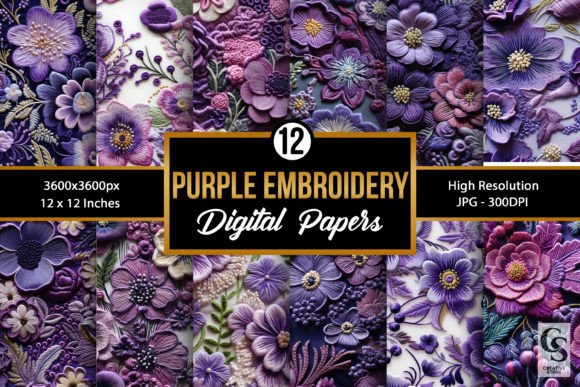
Pink Floral Embroidery Digital Papers
As an embroidery designer who spends countless hours planning seasonal collections, I know that the difference between a good product and a bestseller often comes down to the visual story. When I look at Pink Floral Embroidery Digital Papers, I am not just seeing a pattern; I am seeing potential inventory for my upcoming holiday drops, spring refreshes, and limited-time gift bundles. For any Etsy seller, small shop owner, or handmade gift maker looking to expand their catalog with high-quality seasonal embroidery assets, understanding how digital papers translate into tangible products is crucial.
I recently reviewed this set of 12 seamless patterns to determine if they would fit into my workflow for creating personalized gifts and home decor items. Here is my professional assessment of how these designs perform in real-world production scenarios.
First Impressions: Mood and Visual Appeal
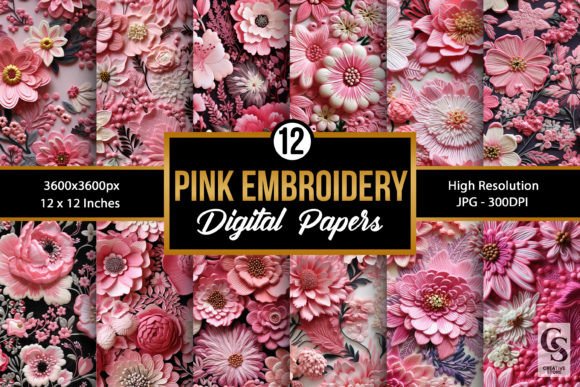
The immediate emotional tone of Pink Floral Embroidery Digital Papers is one of warmth and approachable elegance. The pink palette strikes a delicate balance—it is soft enough for baby items and romantic themes, yet vibrant enough to stand out on social media previews. When you are building a collection for holidays like Valentine’s Day, Mother’s Day, or even Easter, having a cohesive color story is essential for brand consistency.
From a decorative standpoint, the floral motifs feel both nostalgic and modern. They avoid being overly busy, which is a common pitfall in machine embroidery design. The details are refined, suggesting a premium feel that customers associate with higher price points. Whether you are aiming for a rustic cottagecore aesthetic or a clean, modern boutique look, these Patterns offer versatility. The seamless nature of the graphics means they can be tiled effortlessly across larger surfaces, making them ideal for kitchen towel embroidery projects, large pillow covers, or fabric yardage for aprons.
Real-World Applications for Holiday Sellers
In the world of commercial embroidery, we constantly ask ourselves: "Where will this sell?" Based on the characteristics of these digital papers, here are several high-potential use cases for your small shop product line:
- Sweatshirt Embroidery: Use the patterns as all-over prints or as large chest pieces. The scale works well for cozy fall and winter apparel, offering a fresh alternative to traditional holiday icons.
- Tote Bag Design: A classic tote bag design featuring a single, centered motif from the pack can serve as an excellent everyday carry item or a branded giveaway for local events.
- Kitchen Towel Embroidery: These patterns are perfect for farmhouse-style kitchen decor. The pink tones add a pop of color to neutral kitchens, making them top sellers during housewarming gift seasons.
- Pillow Cover Projects: Layering the seamless patterns on standard throw pillows creates a luxurious texture. This is a low-risk, high-margin item for home decor enthusiasts.
- Baby Items: The gentle hues make these designs suitable for onesies, burp cloths, and nursery wall hangings, tapping into the lucrative market for handmade gifts for new parents.
- Embroidered Patch: You can isolate specific floral elements to create custom patches for denim jackets or backpacks, appealing to a younger demographic.
Furthermore, because these are provided as high-resolution Graphics (300dpi JPG files), they are also valuable for creating realistic mockups. Before you even stitch a single thread, you can place these digital papers onto product templates to preview how the final item will look. This step is critical for convincing buyers before they commit to a purchase.
Strategic Considerations and Limitations
While the visual appeal is strong, a professional designer must always consider the technical constraints of the medium. Not every digital paper translates perfectly to every fabric type. Here is where you need to exercise caution:
- Small Hoop Sizes: If you attempt to digitize these intricate floral details into very small hoop sizes, you may lose definition. Fine lines might merge, creating a muddy appearance. Always review small details after stitching to ensure clarity.
- Thick Fabrics: When working with thick towels or heavy canvas, the underlying stitch density of the original design might not penetrate effectively. You may need to adjust the underlay stitches or choose a lighter fabric to maintain the integrity of the thread colors.
- Dark Fabric: Pink is a light-to-medium value color. On dark fabrics, you will likely require a heavy white stabilizer layer or extensive background stitching to prevent show-through. This adds production time and cost.
- Stretchy Garments: Be mindful when applying these designs to stretchy materials like jersey knits without proper stabilization. The tension can distort the seamless pattern, ruining the symmetry.
Additionally, if you plan to use metallic threads to enhance the luxury feel, remember that metallics have different tension requirements. Test runs are non-negotiable in these cases to avoid breakage or puckering.
Impact on Seasonal Appeal and Brand Trust
Incorporating Pink Floral Embroidery Digital Papers into your lineup does more than just add a new SKU; it enhances the perceived value of your entire brand. During peak shopping periods, customers are drawn to items that look professionally finished and emotionally resonant. The cohesive nature of a 12-pack allows you to create curated bundles—such as a "Mom & Me" matching set or a complete dining room ensemble—which increases average order value.
When customers see consistent, high-quality visuals across your listings, it builds trust. It signals that you pay attention to detail, from the fabric texture choice to the final press of the garment. This attention to detail is what converts browsers into repeat buyers. Moreover, using versatile designs allows you to pivot quickly. A pattern that sells well in February can be repositioned for April or May with minimal effort, maximizing the return on your initial investment in the digital embroidery file.
Practical Designer Notes for Implementation
To ensure success when integrating these files into your production pipeline, follow these practical steps:
- Test Thread Colors: Never assume a digital pink will match your physical polyester or rayon threads exactly. Always test on both light and dark fabric samples to confirm the hue.
- Check Stitch Density: If you are converting these graphics into actual embroidery files, verify that the stitch density is appropriate for the chosen fabric. Too dense, and the fabric will pucker; too sparse, and the coverage will look patchy.
- Confirm Hoop Size: Ensure the design dimensions fit comfortably within your machine’s maximum hoop size, leaving adequate margin for handling.
- Use Proper Stabilizer: The choice of stabilizer (cut-away vs. tear-away) depends heavily on the fabric weight. Using the wrong type can lead to distortion, especially with the detailed floral elements.
- Create Realistic Mockups: Use the provided high-resolution images to create lifestyle mockups. Show the product in use—a tote bag filled with flowers, a kitchen towel draped over an oven handle—to help customers visualize ownership.
- Review Licensing: Before selling finished seasonal products, strictly confirm the commercial licensing terms. Ensure you are permitted to sell physical goods made from these digital assets.
Ultimately, Pink Floral Embroidery Digital Papers represents a smart addition to any serious embroiderer’s toolkit. By understanding its strengths and respecting its technical limitations, you can create beautiful, marketable products that resonate with holiday shoppers and everyday crafters alike. Whether you are updating your Etsy listings or preparing for a craft fair display, these designs offer the flexibility and charm needed to stand out in a crowded marketplace.