Roses Embroidery Flowers Digital Papers Review
As an embroidery designer who spends weekends hunched over a hoop at craft fairs, I have learned that the difference between a design that sits on the table and one that sells out by noon often comes down to visual impact and production practicality. When I first encountered Roses Embroidery Flowers Digital Papers, my immediate reaction was not just about the aesthetic, but about how this pattern would translate from a digital screen into a tangible, high-value handmade product. For any Etsy seller, boutique maker, or small shop owner looking to expand their inventory with reliable bestsellers, evaluating these assets requires a critical eye for detail, stitch density, and market appeal.
First Impressions: Visual Impact and Market Fit
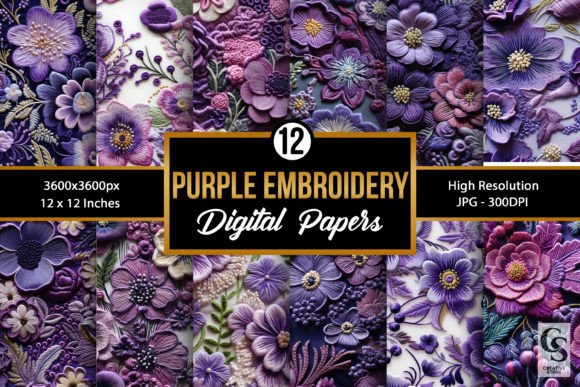
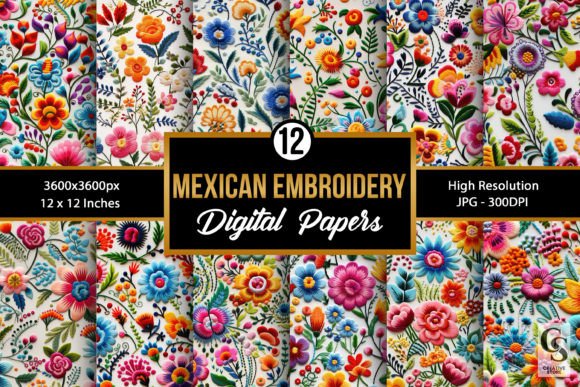
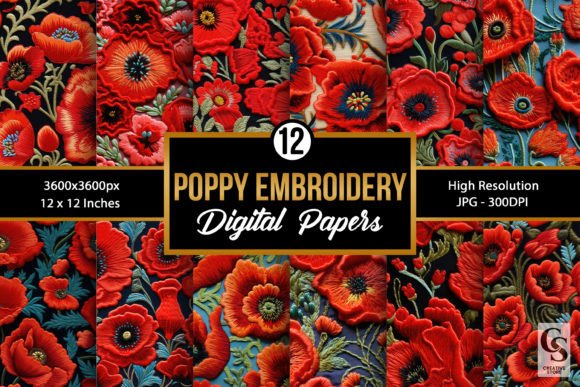
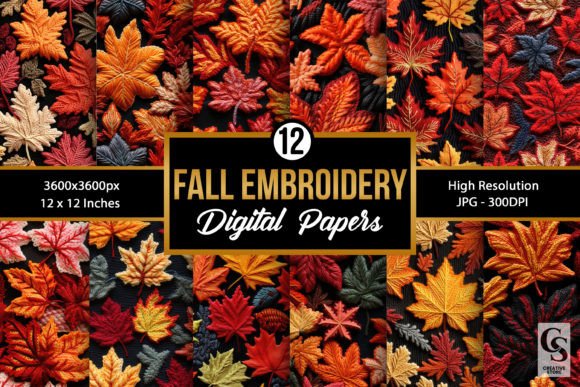
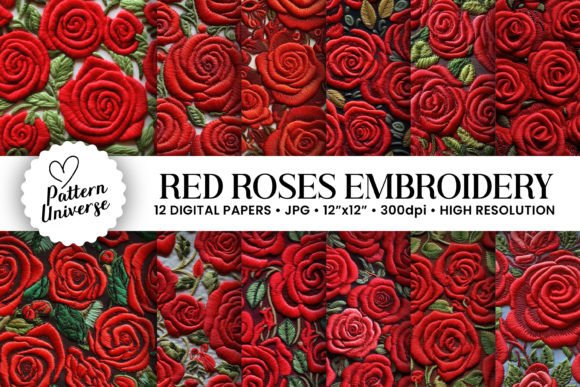
The title Roses Embroidery Flowers Digital Papers suggests a collection of seamless patterns, specifically highlighting twelve distinct red rose variations. In the world of craft fair products, red roses are a perennial favorite. They evoke feelings of romance, elegance, and classic beauty, making them versatile enough for weddings, anniversaries, Valentine’s Day, and general home decor. However, the term "Digital Papers" can sometimes be misleading for embroiderers. It implies a flat graphic rather than a textured stitch pattern. My initial assessment focuses on whether these designs offer enough depth and dimensionality to justify the time spent stitching them.
From a branding perspective, red roses project a premium feel. They stand out against neutral backgrounds like cream, beige, or denim, which are staples in the handmade market. If you are designing for a farmhouse-style booth or a chic boutique, these floral motifs provide immediate visual recognition. Customers do not need to read a tag to understand the vibe; the bold red color and recognizable flower shape communicate quality instantly. This is crucial for grabbing attention in a crowded marketplace where shoppers glance at displays for only seconds.
Product Application: From Tote Bags to Tea Towels
One of the strongest selling points of Roses Embroidery Flowers Digital Papers is its versatility across various product categories. As a designer, I look for designs that can be adapted to multiple items without losing their integrity. Here is how these patterns perform on common craft fair staples:
- Tote Bag Design: A large-scale rose pattern works beautifully as a focal point on canvas tote bags. The seamless nature of the digital paper allows for full-coverage prints or repeated motifs that create a lush, garden-like effect. This appeals to shoppers looking for functional yet stylish everyday carry items.
- Apron Embroidery: For kitchen-themed booths, placing a single, elegant rose motif on the bib of a linen apron adds a touch of sophistication. It transforms a utilitarian item into a giftable piece. The red color contrasts sharply with white or light-colored fabrics, ensuring the design remains visible and attractive.
- Tea Towel Embroidery: Small, detailed rose accents along the hem or corner of tea towels are perfect for impulse buys. These low-cost, high-margin items are excellent for clearing out scrap fabric while offering customers something affordable and decorative.
- Embroidered Patch: The seamless patterns can be cropped into circular or square patches. Patches are highly popular among younger demographics and can be applied to denim jackets, caps, or backpacks. The durability of the stitched rose makes it ideal for this rugged application.
- Caps and Pillow Covers: Curved surfaces like baseball caps require careful digitizing to ensure the rose pattern does not distort. However, when executed correctly, a centered rose on a cap creates a striking, professional look. Similarly, pillow covers benefit from the repetitive nature of the pattern, creating a cohesive bedroom set.
Production Practicality and Technical Considerations
While the visual appeal is undeniable, the true test for any commercial embroidery project is production efficiency. As a business owner, I cannot afford hours of stitching time for a low-priced item. Therefore, analyzing the stitch density and complexity of Roses Embroidery Flowers Digital Papers is essential.
If the digital papers include dense fill stitches, they may take longer to embroider and require more thread, increasing your cost per unit. Conversely, if the designs rely on satin stitches and lighter fills, they will produce faster and consume fewer resources. I always advise testing the design on scrap fabric before committing to a batch. Check the hoop size requirements to ensure the design fits comfortably within your machine’s capabilities without excessive trimming. Additionally, inspect the thread colors used in the digital preview. Red can sometimes appear muddy if the underlay is too heavy or if the top thread lacks sufficient sheen. Using high-quality polyester or rayon threads will enhance the vibrancy of the red roses, making them pop in person.
Another critical factor is the choice of stabilizer. For lightweight fabrics like tea towels or delicate cottons, a tear-away stabilizer might be sufficient. However, for heavier materials like denim or canvas used in tote bags, a cut-away stabilizer ensures the design remains stable and does not pucker after washing. Understanding these technical nuances helps maintain consistency across your commercial embroidery line, ensuring every handmade product meets professional standards.
Photography and Online Listings
In today’s digital-first market, your Etsy seller listing is just as important as the physical product. Roses Embroidery Flowers Digital Papers offers excellent potential for creating printable mockups. Because the patterns are seamless, you can easily overlay them onto photos of tote bags, aprons, and pillows using graphic design software. This allows you to showcase your products online before you even stitch them, saving valuable time during peak seasons. High-quality mockups help buyers visualize the final result, reducing hesitation and increasing conversion rates. Ensure your lighting in real-life photos matches the digital representation to avoid customer dissatisfaction upon delivery.
Careful Use Notes and Quality Control
Despite the strengths of these designs, there are areas that require caution. Dense stitch areas can lead to fabric distortion, especially on thin materials. Always reinforce the fabric with appropriate backing to prevent puckering. Tiny details in the rose petals may get lost if the design is scaled down too much. I recommend keeping minimum dimensions reasonable to preserve the clarity of the floral elements. Furthermore, be mindful of the fabric texture. Rough or nubby fabrics can obscure fine stitch work, so smooth weaves like cotton sateen or duck cloth are preferable for showcasing the intricate details of the roses.
Before launching any new product line based on Roses Embroidery Flowers Digital Papers, confirm the commercial licensing terms. Some digital assets restrict resale or limit the number of units you can sell. Violating these terms can lead to legal issues and damage your reputation as a trustworthy creator. Clear licensing allows you to focus on what matters most: creating beautiful, profitable goods.
Conclusion: A Strong Asset for Craft Fair Success
Ultimately, Roses Embroidery Flowers Digital Papers represents a solid investment for embroidery designers and handmade entrepreneurs. Its classic imagery, combined with the flexibility of seamless patterns, makes it suitable for a wide range of crafter projects. Whether you are producing tumbler wraps, greeting cards, or embroidered accessories, these designs offer the visual punch needed to attract customers. By paying attention to technical details like stitch density, thread contrast, and stabilizer choice, you can transform these digital assets into high-quality finished products that drive sales and build brand loyalty. For any serious maker looking to elevate their craft fair booth or online store, incorporating these elegant rose motifs is a smart, strategic move.