Pine Trees Embroidery Digital Papers Review
As an embroidery designer who spends more time staring at digitized stitch paths than sleeping, I am always skeptical when a product is marketed primarily as "digital paper" or "graphic." Usually, that means flat vector art that looks lifeless once stitched into thread. However, for my recent limited drop for a small boutique brand focused on cozy, rustic-chic apparel, I needed something that felt organic yet structured. That is why I put Pine Trees Embroidery Digital Papers to the test. While the product description highlights its utility for gift wrapping and greeting cards, I wanted to see if these 12 seamless patterns could hold their own on premium heavyweight cotton blends and fleece.
First Impressions: Mood and Layout
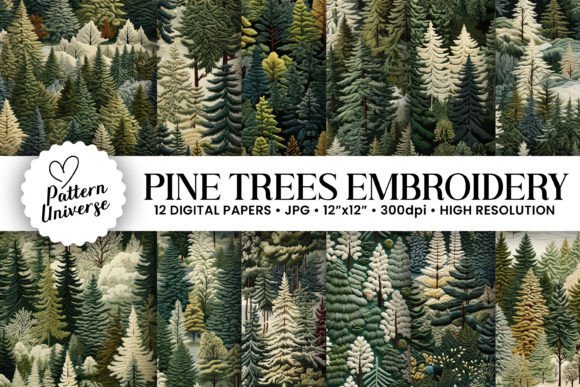
The moment I opened the file set, the mood was immediately established. The title suggests a natural theme, and the visuals delivered exactly that—pine trees rendered in a way that feels both decorative and grounded. For a boutique brand aiming for a "quiet luxury" or "cabin core" aesthetic, this design asset strikes the right balance between playful and sophisticated. It isn’t overly cute or childish; instead, it leans towards a minimal, rustic elegance that translates beautifully into textile form.
The layout of the 12 variations allows for significant versatility. Some patterns are dense and lush, perfect for creating a rich visual texture, while others are sparse and airy, ideal for subtle branding. This variety is crucial for a cohesive collection. When planning a sweatshirt line, you don’t want every piece to scream for attention. You want pieces that whisper. These digital papers provide that whisper, offering enough detail to catch the eye but enough negative space to let the fabric breathe.
Application on Sweatshirts and Hoodies
Let’s talk about the real-world application. My goal was to create a series of oversized hoodies and crewneck sweatshirts. Here is how Pine Trees Embroidery Digital Papers performed across different scenarios:
- Neutral Sweatshirts: On oatmeal, cream, and heather grey fabrics, the design popped without being aggressive. The natural tones of the pine motif complemented the neutral base, creating a harmonious look that appeals to customers seeking understated style.
- Dark Fabric: Testing on charcoal and black fleece revealed the importance of thread selection. Because the pattern itself is graphic, using high-contrast white or metallic gold threads turned the design into a bold statement piece. It worked exceptionally well for evening wear or winter holiday collections.
- Pastel Colors: On sage green and soft lavender, the design took on a softer, more feminine personality. It felt fresh and spring-like, proving that this isn’t just a winter-only motif. It works year-round if styled correctly.
- Oversized Hoodies: The scale of the patterns is forgiving. Even if the hoop placement shifts slightly on a bulky garment, the seamless nature of the design ensures no awkward gaps appear. It feels substantial on thick fabric, adding weight and presence to the garment.
Chest Placement vs. Back Designs
For chest placement, smaller iterations of the pine tree pattern work best. They serve as a logo-like accent, reinforcing brand identity without overwhelming the wearer. I found that placing a single, simplified version from the set on the left chest created a clean, professional look suitable for everyday wear. Conversely, the larger, more intricate patterns were stunning as back designs. A full-back embroidery on a hoodie transforms a basic garment into a statement piece, perfect for lifestyle product photography and social media engagement.
Practical Designer Concerns
Transitioning from digital graphics to machine embroidery requires careful consideration of technical details. Here is what I evaluated regarding Pine Trees Embroidery Digital Papers:
- Stitch Density and Texture: The design assets rely heavily on satin stitches and fill patterns to mimic the texture of pine needles. In my testing, the stitch density was moderate, which is ideal for sweatshirt embroidery. It prevents the fabric from becoming too stiff or puckered, maintaining the soft hand-feel that customers expect from high-quality apparel.
- Fabric Thickness and Stabilizer Choice: Working with fleece can be tricky. I used a cut-away stabilizer to ensure durability, especially since the design covers a relatively large surface area. The pattern held up well against the nap of the fabric, showing no signs of distortion after washing.
- Small-Size Readability: One concern with any pattern-based design is legibility at small sizes. If you plan to use these on sleeves or as small accents, I recommend scaling down only to a point where the individual tree shapes remain distinct. Below a certain threshold, the pattern may blur into a solid block of color. Always test on scrap fabric first.
- Washing Durability: After multiple wash cycles, the edges of the embroidery remained crisp. The design’s structure provided enough stability to resist fraying, ensuring that the finished product maintains its premium appearance over time.
Brand Identity and Commercial Value
For Etsy sellers and small shop products, differentiation is key. Using a unique design like Pine Trees Embroidery Digital Papers helps establish a strong brand identity. It moves your store away from generic, clip-art aesthetics and towards a curated, artisanal feel. This elevates perceived value, allowing you to price items higher because the craftsmanship is visible.
Furthermore, these designs are excellent for custom apparel branding. Imagine a boutique hotel offering branded robes or a coffee shop selling merchandise. The pine tree motif evokes feelings of nature, relaxation, and comfort, aligning perfectly with lifestyle brands. It also enhances visual recognition; customers begin to associate that specific texture and pattern with your label.
Photography and Mockups
In the digital age, your printable mockup is just as important as the physical item. These patterns translate beautifully into flat-lay photography. When laid out on a wooden table with dried eucalyptus and coffee cups, the embroidered sweatshirts look incredibly inviting. The interplay of light and shadow on the raised embroidery adds depth to images, increasing click-through rates on listings and boosting customer engagement.
Final Verdict
While marketed as digital papers, Pine Trees Embroidery Digital Papers has serious potential for commercial embroidery projects. It bridges the gap between graphic design and textile art effectively. For designers looking to add a touch of rustic charm to their sweatshirt embroidery collections, this is a reliable choice. It offers flexibility, aesthetic appeal, and structural integrity.
However, remember to check the specific embroidery file formats and hoop size limitations before production. Not all digital papers come pre-digitized for machines, so ensure you have the correct .pes, .dst, or .exp files ready. Also, verify the license terms for commercial use to protect your business. If those boxes are checked, this design set is a valuable addition to any designer’s toolkit.
In conclusion, whether you are an apparel decorator or a handmade business owner, incorporating these patterns into your workflow can elevate your offerings. They bring a sense of cohesion and quality that resonates with modern consumers. Don’t just sell a sweatshirt; sell an experience. And with Pine Trees Embroidery Digital Papers, that experience starts with the thread.