Review: Fall Leaves Embroidery Digital Papers
As an embroidery designer who spends most of my days troubleshooting tension issues and refining stitch paths, I don’t get excited about just any new asset. However, when a small boutique brand approached me to develop a limited-edition autumn collection, I needed design assets that could bridge the gap between digital aesthetics and tactile reality. That is when I evaluated Fall Leaves Embroidery Digital Papers. This review isn’t just about looking at pretty pictures; it’s about assessing whether these patterns hold up under the scrutiny of commercial production, specifically for sweatshirt embroidery and custom apparel branding.
The First Impression: Mood and Visual Weight
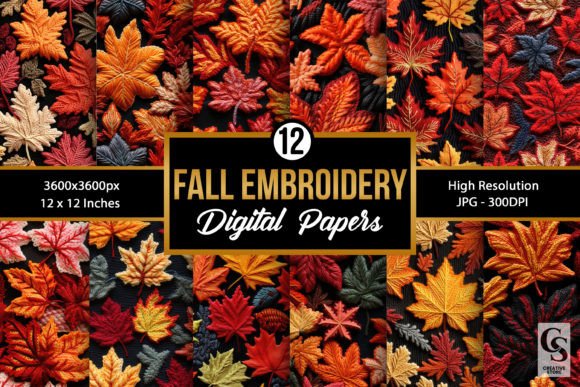
When you first open the zip file containing these 12 Digital Papers within 1 zip file, the immediate takeaway is cohesion. For a seasonal drop, consistency is key. The patterns range from rustic botanical clusters to more playful, scattered motifs. In the context of a premium sweatshirt collection, visual weight matters immensely. If the design is too sparse, it gets lost on thick fleece; if it is too dense, it becomes heavy and uncomfortable against the skin.
The high-resolution nature of these files—specifically the JPG files size 3600 x 3600 pixels or 12″ x 12″—allows for a detailed inspection before any digitizing begins. You can see the implied texture. Do they look like delicate watercolor washes or bold graphic prints? For a boutique brand aiming for a "cozy yet chic" aesthetic, these patterns offer a versatile foundation. They feel decorative without being overwhelming, which is crucial for lifestyle product photography where the garment needs to stand out but not distract from the model.
Application on Sweatshirt Embroidery and Hoodie Design
The true test of any embroidery file concept is its application on fabric. Sweatshirts present unique challenges due to their thickness and stretch. Here is how Fall Leaves Embroidery Digital Papers translates to real-world production scenarios:
- Neutral and Cream Sweatshirts: On light, heathered fabrics, these patterns provide a warm, organic contrast. They evoke a sense of warmth and nostalgia, perfect for the early fall season. The seamless nature of the patterns allows for all-over embroidery techniques, which are currently trending in high-end streetwear.
- Dark Fabric and Black Hoodies: This is where thread color contrast becomes critical. On dark backgrounds, the designs need strong outlines or dense fill stitches to pop. These papers serve as excellent guides for selecting bright or metallic thread colors. A gold or rust-colored thread work beautifully against black, leveraging the inherent mood of the leaf motifs.
- Pastel Colors and Oversized Hoodies: For a softer, feminine appeal, applying these designs to sage green or dusty pink oversized hoodies creates a gentle, romantic vibe. The patterns feel minimal and airy here, suggesting a lightweight spring-fall transition piece rather than heavy winter wear.
I also considered placement. A chest logo is standard, but for a standout small shop product, back designs or sleeve accents often drive higher perceived value. The seamless aspect of these patterns means they can be tiled across the back of a hoodie or wrapped around the sleeve cuff, creating a continuous flow that feels intentional and professional.
Practical Designer Concerns: Density and Durability
Before committing to production, I always ask: Will this survive the wash cycle? And will it look good after five years?
Stitch Density and Stabilizer Choice: While these are digital graphics, they inform the digitizing process. If the pattern relies on fine details, we must ensure the stitch density is appropriate for the fabric. Thick terry cloth requires a strong cut-away stabilizer to prevent puckering. If the design elements are too intricate, they may blur together on bulky fleece. I recommend testing a sample on scrap fabric to determine if the design needs simplification for commercial embroidery.
Hoop Placement and Readability: For smaller placements, such as a left-chest logo, the pattern must remain legible. Large, sweeping leaves might lose definition in a 4x4 hoop, whereas smaller, clustered motifs would read clearly. Always check the hoop size limitations of your specific machine when scaling these digital assets down.
Washing Durability: Embroidered garments are expected to withstand frequent washing. The structural integrity of the design depends on proper underlay stitches. Since these are patterns derived from digital papers, the final durability will depend entirely on how skillfully the digitizer translates the visual into code. It is essential to remind clients that while the art is static, the execution is dynamic.
Impact on Brand Identity and Etsy Seller Success
In the crowded marketplace of online handmade goods, visual recognition is everything. Using cohesive design assets like Patterns and Graphics helps establish a distinct brand voice. When a customer sees a consistent leaf motif across your website, social media, and physical tags, trust increases.
For an Etsy seller or a creator of digital embroidery file collections, versatility is currency. These 12 files allow for rapid prototyping. You can create a matching set: a sweatshirt, a tote bag, and a hat, all using variations from the same digital paper pack. This cross-merchandising potential boosts average order value. Furthermore, having high-quality mockup previews based on these accurate patterns allows customers to visualize the finished product more realistically, reducing return rates due to mismatched expectations.
Final Verdict for Creative Entrepreneurs
Fall Leaves Embroidery Digital Papers is a robust tool for designers looking to add seasonal depth to their apparel lines. It offers a balance of rustic charm and modern simplicity that fits well within the current market trends for cozy, sustainable fashion. Whether you are designing for a luxury boutique or a casual craft fair booth, these assets provide a solid starting point for custom apparel projects.
However, remember that a digital file is only half the battle. To achieve a truly premium result, pay close attention to:
- Fabric Texture: Choose fabrics that complement the pattern’s weight.
- Thread Quality: Use high-quality polyester or rayon threads to enhance sheen and durability.
- Production Testing: Always run a test piece before bulk production.
If you are ready to elevate your autumn collection, these papers provide the visual blueprint. Just ensure you verify the specific technical requirements with your digitizer to guarantee that the magic of the design survives the journey from screen to sweatshirt.